Appendix Unveiled: Experts Say the Tiny Tube Is a Gut Safety Net
Table of Contents
TL;DR
- The appendix is a tiny, worm-shaped tube that sits next to the large intestine.
- It stores beneficial gut bacteria, acting like a “safe house” that can refill your gut after illness or antibiotics.
- Removing the appendix can raise the chance of serious gut infections, like Clostridioides difficile colitis.
- A high-fiber diet reduces the risk of appendicitis by keeping the gut full of healthy bacteria and preventing the formation of fecaliths.
- Evolutionary studies show the appendix has appeared over 30 times in mammals, so it likely provides an advantage.
Why this matters
I’ve spent decades watching people talk about the appendix as if it were useless. That talk masks real risks: appendicitis can kill if untreated, and many patients worry about long-term health after an appendectomy. By understanding the appendix’s hidden role, you can spot symptoms early, choose diets that protect your gut, and decide when surgery is truly necessary.
Core concepts
- What is the appendix? A short, worm-shaped pouch (about 2–10 cm) that branches off the large intestine. Its narrow shape keeps it isolated from the rest of the gut.
- Safe-house theory – The appendix harbors a biofilm of commensal bacteria that can reseed the gut after a wipe-out. This is supported by a 2024 review that shows the appendix as a “basin” for gut microbiota and that removal lowers microbial diversity The functional landscape of the appendix microbiome under conditions of ….
- Immune training – The appendix contains gut-associated lymphoid tissue (GALT) that helps your immune system learn the difference between friend and foe Immunology of the vermiform appendix.
- Evolutionary advantage – The appendix has evolved independently at least 32 times across 361 mammal species, a clear sign that it confers benefit Appendix evolved at least 32 times across 361 species. In some species it even increases longevity The cecal appendix is correlated with greater maximal longevity in mammals.
How to apply it
- Watch for early warning signs – The first 6 hours after pain starts on the lower right belly can mean the appendix is inflamed. If you feel sudden, severe pain, seek care immediately.
- Keep your gut “full” – A diet rich in fiber (≥25 g/day) reduces fecalith formation and thus appendicitis risk Revisiting Diet and Appendicitis: A Systematic Review and Meta-Analysis. Aim for whole grains, fruits, vegetables, and legumes.
- Know your risk – People with a history of appendicitis or those in developed countries (high SDI) have higher appendicitis rates Global burden of appendicitis.
- Consider the trade-off of surgery – If your appendix bursts, you need an emergency appendectomy. However, removal can raise the odds of Clostridioides difficile infections Clostridioides difficile and appendectomy. Discuss prophylactic antibiotics or fecal microbiota transplant with your surgeon.
- Remember the “backup” role – If you ever suffer a severe gut infection or take a course of broad-spectrum antibiotics, your appendix can help reseed your microbiota. This is why some clinicians advocate leaving the organ intact when possible.
Pitfalls & edge cases
| Claim | Reality | Why it matters |
|---|---|---|
| “The appendix is useless” | It’s a safe house for beneficial bacteria | Removing it may compromise gut resilience |
| “All people with appendicitis will get a fever” | Fever is common but not universal | Early diagnosis relies on more than fever alone |
| “Fiber eliminates appendicitis” | High fiber lowers risk but does not guarantee safety | Lifestyle changes should complement, not replace, medical vigilance |
| “Appendectomy is always harmless” | It carries surgical risk and long-term infection risk | Knowing the risk helps patients weigh options |
Quick FAQ
| Question | Answer |
|---|---|
| What is the appendix? | A small, worm-shaped pouch attached to the large intestine. |
| How does the appendix help my gut? | It stores a biofilm of good bacteria that can repopulate the gut after illness. |
| Does removing the appendix hurt my health? | Removal can increase the risk of severe gut infections like Clostridioides difficile, but many people live healthy lives. |
| Can I reduce my risk of appendicitis? | Yes, a high-fiber diet and avoiding constipation help. |
| Why does appendicitis risk increase in developed countries? | Diets low in fiber and high in processed foods create fecaliths that block the appendix. |
| Does the appendix play a role in immunity? | Yes, it contains gut-associated lymphoid tissue that trains immune cells. |
| Is the appendix still evolutionary relevant? | Evolutionary studies show it evolved 32+ times in mammals, implying an advantage. |
Conclusion
The appendix may look like a vestigial relic, but it’s a real ally for your gut. If you notice early pain, keep a high-fiber diet, and talk with your doctor about the pros and cons of removal, you can protect both your short-term and long-term gut health. Remember: the appendix isn’t a useless organ; it’s a small but powerful safeguard for the microbes that keep you healthy.
References
- Darwin — On the Origin of Species (1859) (https://www.gutenberg.org/ebooks/271)
- The functional landscape of the appendix microbiome under conditions of … (https://pmc.ncbi.nlm.nih.gov/articles/PMC12128343/)
- Revisiting Diet and Appendicitis: A Systematic Review and Meta-Analysis (https://pubmed.ncbi.nlm.nih.gov/41265933/)
- Appendix evolved at least 32 times across 361 species (https://www.livescience.com/health/the-appendix-evolved-at-least-32-times-across-361-species-so-its-unlikely-to-be-a-useless-evolutionary-accident-research-finds)
- The cecal appendix is correlated with greater maximal longevity in mammals (https://pmc.ncbi.nlm.nih.gov/articles/PMC8546507/)
- Clostridioides difficile and appendectomy (https://pmc.ncbi.nlm.nih.gov/articles/PMC8649559/)
- BBC article about Leonid Rogozov (https://www.bbc.com/news/magazine-32481442)
- Global burden of appendicitis (https://pmc.ncbi.nlm.nih.gov/articles/PMC9945388/)
- Immunology of the vermiform appendix (https://pmc.ncbi.nlm.nih.gov/articles/PMC5011360/)
Disclaimer
This article is for educational purposes only and is not a substitute for professional medical advice. Consult a qualified healthcare professional for personalized guidance.
Hero Image Prompt
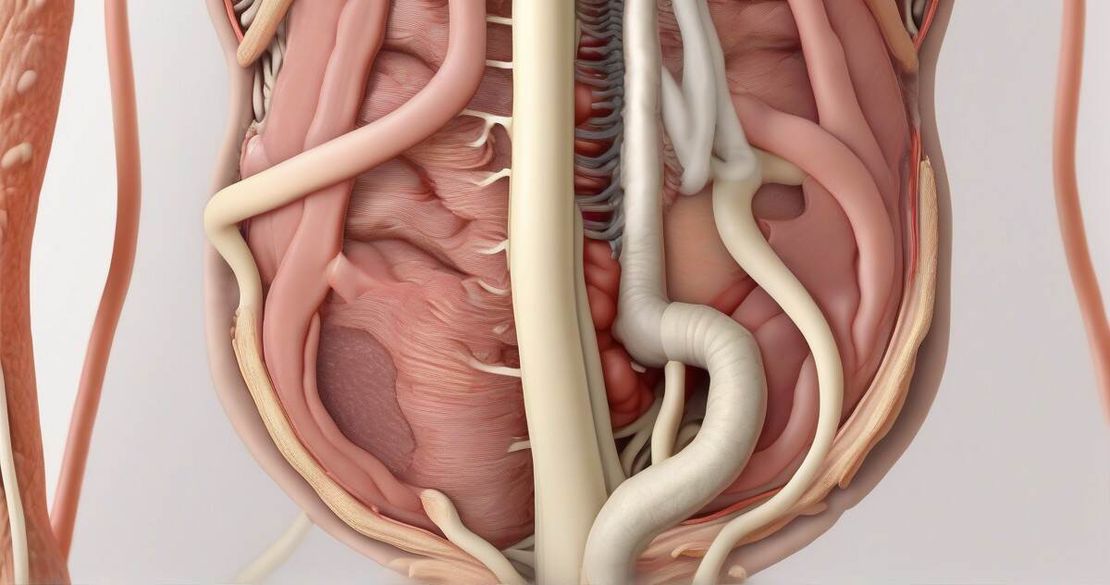
A detailed, anatomical illustration of the human appendix situated in the lower right abdomen, highlighting its worm-shaped tube branching from the cecum, with a clean, medical illustration style.