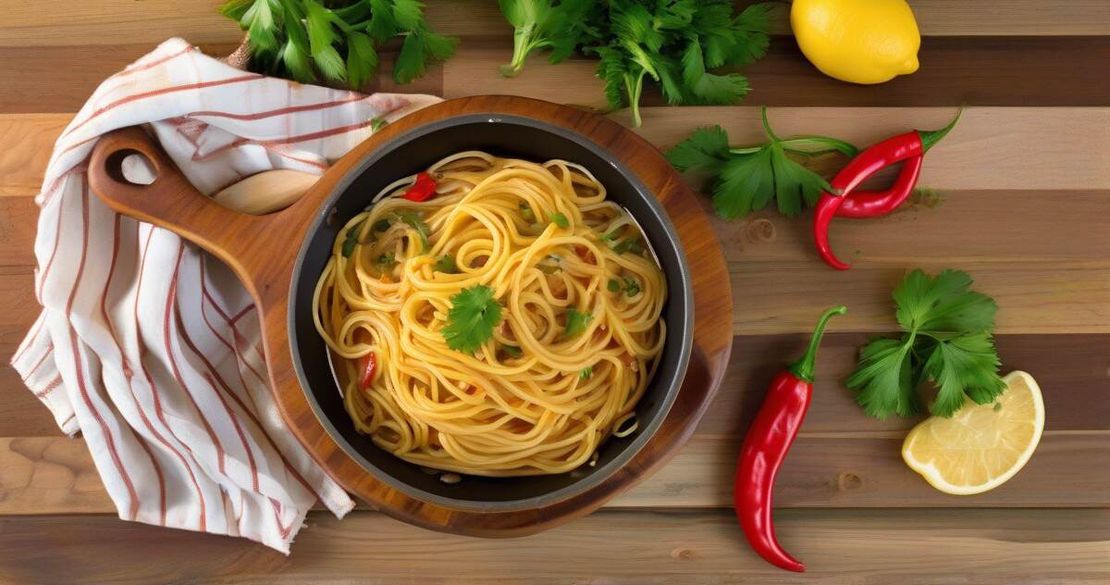
Quick, spicy spaghetti con tonno made in 20 minutes—fresh tuna, Calabrian peppers, lemon, and olive oil. Perfect for pasta lovers and busy home cooks.
Spaghetti con Tonno: 20-Minute Spicy Tuna Pasta
Published by Brav
Table of Contents
TL;DR
- One-pot recipe that takes under 20 minutes.
- Uses only 8 ingredients: spaghetti, tuna, Calabrian & abanieri peppers, garlic, lemon, olive oil, pasta water, parsley.
- Keeps pasta al dente while keeping sauce moist and tuna juicy.
- Adjust heat by removing pepper seeds or swapping peppers.
- Finish with a splash of pasta water and a drizzle of olive oil for silky texture.
Why this matters
I remember the first time I tried to make a quick pasta dinner and ended up with mushy noodles that tasted like rubber and garlic that was bitterly burnt. That night, the sauce dried out so hard the tuna turned into a dry, rubbery bite. The kitchen smelled like a burnt match. Since then, I’ve turned that disaster into a recipe that guarantees al dente pasta, a bright citrus sauce, and perfectly balanced heat. Every home cook who hates over-cooked pasta or burnt garlic will find this method a lifesaver.
Core concepts
| Concept | What it means | Why it matters |
|---|---|---|
| Al dente pasta | Cooked just before the pasta turns soft enough to bite into. | Gives texture and holds sauce without over-cooking the noodles. |
| Heat control | Keep oil at medium-low to avoid burning aromatics. | Garlic burns quickly, peppers can scorch, and the sauce can over-thicken. |
| Balance of citrus and oil | Lemon juice brightens, olive oil rounds the acidity. | Prevents the tuna from becoming dry and keeps the sauce silky. |
| Pepper selection | Calabrian diavolicchi for heat, abanieri for medium bite. | Gives predictable spiciness that can be dialed in by removing seeds. |
| Pasta water rescue | Starchy water added to the sauce. | Rehydrates sauce, keeps tuna moist, and gives a glossy finish. |
These concepts come from classic Italian practice and modern culinary science. The CIA teaches that al dente pasta should be tested by bite and that cooking time should be 8–10 minutes for a 2 mm spaghetti, and the Martha Stewart guide confirms that the “tooth” texture is achieved when the noodle is firm yet yielding (see Martha Stewart — Why Italians Always Cook Pasta al Dente (2025)). Keeping heat low while sautéing aromatics follows The Kitchn’s advice that garlic only needs 30 seconds over medium heat to release flavor without becoming bitter (see The Kitchn — Basic Technique: How to Cook Garlic Without Burning It (2023)). Finally, the USDA’s olive-oil guidelines recommend using extra-virgin olive oil for its flavor and lower acidity, which is ideal for this dish (see USDA — Olive Oil Standards (2024)). In the sauce, the extra-virgin olive oil not only adds flavor but also serves as the base for the emulsion. The USDA’s standards recommend using oils with a free acidity below 0.8 g / 100 g, which is what we find in most premium extra-virgin oils. This low acidity keeps the lemon brightness from being muted and ensures the sauce stays silky even as it heats (see USDA — Olive Oil Standards (2024)).
How to apply it
Ingredients (serves 2)
- 200 g spaghetti
- 1 can (about 120 g) tuna in olive oil (or in water, drained)
- 3 Calabrian diavolicchi peppers, seeded and chopped
- 1 abanieri pepper, seeded and chopped
- 2 garlic cloves, minced (or 1 whole clove, thinly sliced)
- 1 lemon (juice and zest)
- 3 Tbsp extra-virgin olive oil
- ½ cup pasta water (reserved)
- Pinch of salt
- Optional: chopped parsley, extra olive oil for drizzling
Equipment
- Medium-size pot for pasta - Skillet (medium) for sauce
- Measuring spoons & cup - Knife & cutting board
Steps
- Prep the peppers and aromatics
- I always start by removing the seeds from all peppers; the seeds carry most of the heat.
- Boil the spaghetti
- Fill the pot with 4 l of water, bring to a rolling boil, and add a generous pinch of salt.
- Drop in the spaghetti, stir once to prevent sticking, and cook for 8–10 minutes—check the package for exact timing.
- When the noodles are al dente, use a slotted spoon to transfer them to the skillet (saving a cup of pasta water for later).
- Sauté the aromatics.
- Heat the 3 Tbsp of olive oil over medium-low heat.
- Add the garlic (whole or minced) and let it turn fragrant—no more than 30 seconds to avoid bitterness.
- Toss in the chopped peppers and stir for 2–3 minutes until they soften but still hold their shape.
- Introduce the tuna
- Break the tuna into bite-sized chunks and stir into the skillet.
- Cook just enough to warm the tuna; do not over-cook it, or it will dry out.
- Brighten the sauce
- Add the lemon juice and zest.
- Stir to combine; the sauce should be glossy and slightly thick.
- Add pasta water and noodles
- Pour in a splash of reserved pasta water.
- Return the spaghetti to the skillet and toss everything together, letting the noodles absorb the sauce for about 1 minute.
- If the mixture seems too thick, add a little more pasta water or a teaspoon of olive oil.
- Finish and serve
- Taste and adjust seasoning—more salt or a squeeze of lemon if desired.
- Sprinkle optional parsley for color.
- Drizzle a tiny extra tablespoon of olive oil over the top for shine
- Plate immediately while hot—spaghetti con tonno tastes best fresh and warm.
Timing summary
| Stage | Time |
|---|---|
| Prep | 3 min |
| Boil pasta | 8–10 min |
| Sauté & combine | 5 min |
| Finish | 1 min |
| Total | ~20 min |
Pitfalls & edge cases
| Issue | Why it happens | Fix |
|---|---|---|
| Garlic burns | Heat too high, garlic sits too long | Keep heat low, stir frequently, remove garlic after 30 seconds |
| Peppers scorch | Heat rises after adding pasta | Add peppers first, then reduce heat; keep covered if needed |
| Sauce dries out | Too much pasta water or over-cooking tuna | Add pasta water gradually; cook tuna just until warmed |
| Too spicy | Seeds remain in peppers | Remove seeds, or use fewer Calabrian peppers |
| Lemon overwhelms | Too much juice | Use half a lemon; adjust to taste |
| Pasta too soft | Over-boiling | Test a noodle 30 seconds before package time; stop at al dente |
| Tuna turns dry | Over-simmering after adding pasta | Remove from heat once noodles are added; let residual heat finish cooking |
These common mishaps are usually just a tweak away—keep a close eye on the skillet and taste as you go. I learned this lesson the hard way when a batch of spaghetti con tonno turned out as a dry, burnt mess and my kitchen smelled like a campfire. Since then, I’ve become vigilant with the heat and always keep a splash of pasta water on standby.
Quick FAQ
- What type of tuna should I use?
- Canned tuna in olive oil gives a richer, oil-infused flavor. If you prefer a lighter version, use tuna in water and add a drizzle of olive oil at the end.
- How long should I cook the spaghetti?
- Cook for 8–10 minutes for al dente. Check a strand 30 seconds before the package time; it should still be firm to the bite (see Martha Stewart — Why Italians Always Cook Pasta al Dente (2025)).
- Can I use fresh tuna instead of canned?
- Yes, fresh tuna needs only 2–3 minutes to sear in the skillet. Cook it gently and do not over-simmer, or it will dry out.
- What if I don’t have Calabrian peppers?
- Substitute with any hot chili (e.g., serrano or jalapeño). Remove seeds for a milder heat, or keep them if you like it fiery.
- How can I reduce the heat if I prefer a milder sauce?
- Remove seeds from all peppers, use only the abanieri, or add a pinch of sugar to balance the heat.
- Why add pasta water at the end? -Pasta water is starchy and acidic, which emulsifies the sauce and keeps the tuna moist. It also helps the sauce cling to the noodles (see Serious Eats — Garlic Recipes (2023)).
- Is it okay to add more olive oil after serving?
- Absolutely. A light drizzle of extra-virgin olive oil brightens the dish and gives it a silky finish.
Conclusion
I’ve spent countless evenings turning a simple pantry staple into a dish that feels like a gourmet meal. The trick is balancing the heat, keeping the sauce moist, and respecting the al dente texture. With this quick, 20-minute recipe, you’ll never again worry about over-cooked pasta or burnt garlic. Try it tonight and taste the difference that a little science and a lot of heart can make. And if you’re feeling adventurous, swap the tuna for shrimp, add a pinch of capers, or experiment with different pepper varieties. The possibilities are endless, just remember the core concepts and keep the heat low.
References
- Culinary Institute of America — Homepage (2024)
- Martha Stewart — Why Italians Always Cook Pasta al Dente (2025)
- The Kitchn — Basic Technique: How to Cook Garlic Without Burning It (2023)
- USDA — Olive Oil Standards (2024)
- Serious Eats — Garlic Recipes (2023)