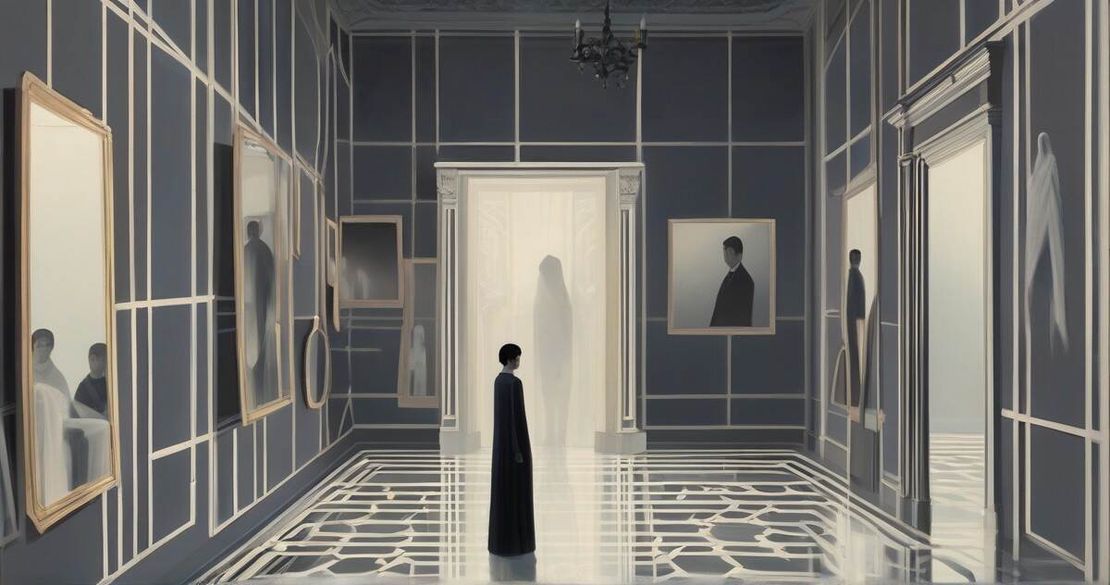
Discover how shared fantasy in narcissistic abuse warps reality, hurts body and mind, and learn practical steps to break free and regain agency.
Shared Fantasy: The Hidden Trap of Narcissistic Abuse—and How to Break Free
Published by Brav
Table of Contents
TL;DR:
- I once felt my life was a stage that only I could see.
- Shared fantasy turns every conversation into a scripted act.
- It hurts the body and mind, and it can spread like a rumor in a quiet room.
- I found ways to spot it, regain my agency, and walk back to reality.
- Below are quick answers to the most common questions.
Disclaimer
This article is for informational purposes only and is not a substitute for professional medical advice, diagnosis, or treatment. Always seek the advice of a qualified health professional with any questions you may have regarding a medical condition.
Why this matters
I was once the center of a story I didn’t get to write. The narcissist built a shared fantasy that made me feel powerful and loved, but it also made the world feel unreal. When the story ends, the whole world can break. Victims feel headaches, nausea, and trembling hands, and their minds feel like they are not in control. This is more than a feeling; it is a physical reaction that can last for years, and it leaves people isolated and anxious. Shared fantasy can erase agency, blur reality, and push the victim toward conversion disorder or psychosis.
Core concepts
Shared fantasy was first coined by Sander in 1989 Sander 1989. The idea was later adopted by Sam Vaknin six years ago Vaknin 2018. It is a mental world that both the narcissist and the partner create together, like a shared movie that only they can see. Because the partner believes the story, they lose touch with their own reality. The result is a cascade of problems: physiological pain, psychological distress, identity loss, dysregulation, and social isolation.
The science behind it
- Mirror neurons fire in our brain when we see someone else act, giving us a copy of that action in our own motor cortex. They are the basis for empathy and imitation Mirror neurons function.
- When the mirror system is overactive or miswired, it can amplify the victim’s belief in the shared fantasy and even produce hallucinations or delusions. A study of people with schizophrenia found that the left-hand mu rhythm—an index of mirror activity—was stronger in those with more severe psychotic symptoms Mirror neuron study.
- Mirror system dysfunction is also linked to sensory gating deficits, which are the brain’s way of filtering out redundant sounds or images. When gating fails, people experience overload and misinterpret ordinary sensations as threats Sensory gating deficits.
- Because both mirror and gating systems are involved in social perception, their dysfunction is thought to be part of the pathway that can turn a shared fantasy into a psychotic episode.
A contagion story
Shared fantasy is contagious. It can spread through isolation or through online communities, much like mass psychogenic illness. A recent outbreak of Tourette-like behavior spread across the internet when a single YouTube channel posted videos of the symptom, and many people who watched it began to show the same signs Mass social media illness. Mass psychogenic illness is a real phenomenon where physical symptoms appear in a group without a medical cause. Wikipedia lists many outbreaks, from dancing plagues in the Middle Ages to modern social-media epidemics, and it stresses that the contagion spreads through observation and belief rather than a pathogen Mass psychogenic illness.
Legal classification
DSM-5 no longer lists shared psychotic disorder as a separate diagnosis; it is now part of the broader delusional disorder category DSM-5 shared psychotic disorder. This change reflects the overlap between shared fantasy and psychosis. The same pattern that feeds a narcissist’s delusion can also feed a victim’s.
How to apply it
I built a checklist after years of research and therapy that helps people spot the signs and regain control.
- Reality-check log – Write down any time you feel the world is too perfect, or a conversation feels rehearsed.
- Notice physical clues – Headaches, stomach aches, or trembling that come with a “good day” are red flags. About 55% of survivors report chronic headaches linked to stress PTSD headaches.
- Identify the “movie” – Ask yourself, “What role am I playing?” If the answer is “supportive fan” or “helper,” you may be in a shared fantasy.
- Seek an outside perspective – Talk to a therapist or a support group. External eyes can spot the script.
- Set boundaries – Say “no” to demands that reinforce the fantasy. When the narcissist reacts with gaslighting, remember you are the author, not a character.
- Build autonomy – Practice hobbies that require your own decision-making. The more you act independently, the less the fantasy can claim you.
- Professional help – Cognitive-behavioral therapy, EMDR, or group therapy can dismantle the script. In severe cases, medication may help if psychosis is present.
Pitfalls & edge cases
- Mislabeling empathy – Some people think a shared fantasy is just intense empathy. While empathy involves mirror neurons, a shared fantasy also includes a shared narrative and loss of reality.
- Overlap with borderline personality disorder – BPD patients can experience emotional dysregulation that looks like shared fantasy, but the core is different: BPD is about unstable self-image, not a co-created story.
- Cultural differences – In some cultures, family narratives are accepted; distinguishing shared fantasy from cultural storytelling can be tricky.
- Subtle gaslighting – The narcissist may not always act overtly; subtle undermining can still maintain the fantasy.
Quick FAQ
Q1: Does shared fantasy induce psychosis? A1: The research shows a strong link between mirror-system overactivity and psychotic symptoms. People stuck in a shared fantasy are more likely to develop delusions, especially if the narcissist already has psychosis.
Q2: Is shared fantasy a manifestation of psychosis? A2: It can be a side effect of an existing psychosis, but it can also develop independently and then evolve into psychosis if left unchecked.
Q3: Can victims recover from shared fantasy? A3: Yes. With therapy, boundary-setting, and external support, many people reclaim their identity and stop living in the shared story.
Q4: What mechanisms underlie contagion of shared fantasy? A4: Isolation and observation create a shared neural pattern via mirror neurons. Social media amplifies this by providing repeated, believable examples that the brain copies.
Q5: How does mirror neuron activity relate to shared fantasy? A5: Mirror neurons give the brain a copy of observed actions. When the copy is over-engaged, it can cement the shared narrative and blur reality.
Q6: Are there effective treatments? A6: Cognitive-behavioral therapy, EMDR, and group therapy are recommended. In severe cases, antipsychotic medication can help if psychosis appears.
Q7: How can I differentiate shared fantasy from normal empathy? A7: Empathy involves understanding another’s feelings without losing your own reality. Shared fantasy includes a shared narrative, loss of autonomy, and often physical symptoms.
Conclusion
Shared fantasy is more than a romantic fantasy; it is a dangerous story that can hurt body and mind. If you feel you are living in a script that others control, you are not alone. Use the checklist above, seek professional help, and remember that you can write your own ending. Survivors who reconnect with their own reality often find renewed purpose, healthier relationships, and lasting peace.
References
- Sander 1989 – Shared Fantasy
- Vaknin 2018 – Shared Fantasy Adaptation
- DSM-5 – Shared Psychotic Disorder
- Folie à deux – 19th Century France
- Mass Psychogenic Illness
- Mirror Neuron Study
- Mirror Neuron Dysfunction in Schizophrenia
- Mass Social Media Illness
- P50 Sensory Gating Deficits
- PTSD Headaches
- Mirror Neurons Function
- Mirror Neuron
- Malignant Self-Love – Sam Vaknin